Spotting trouble before it spreads
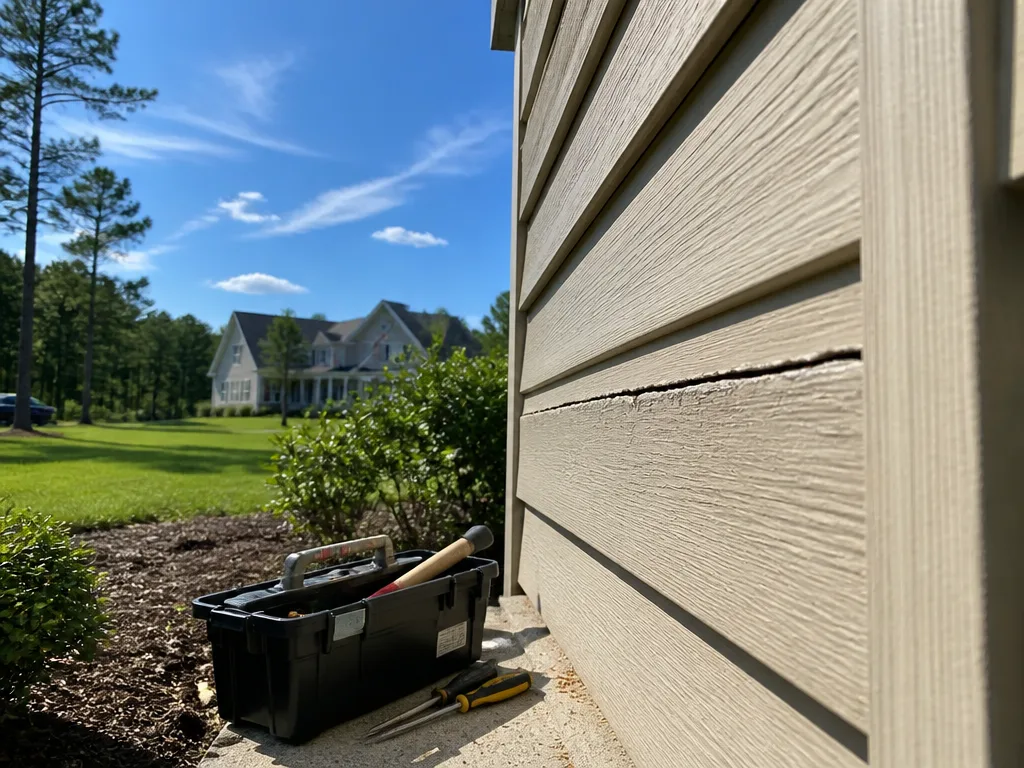
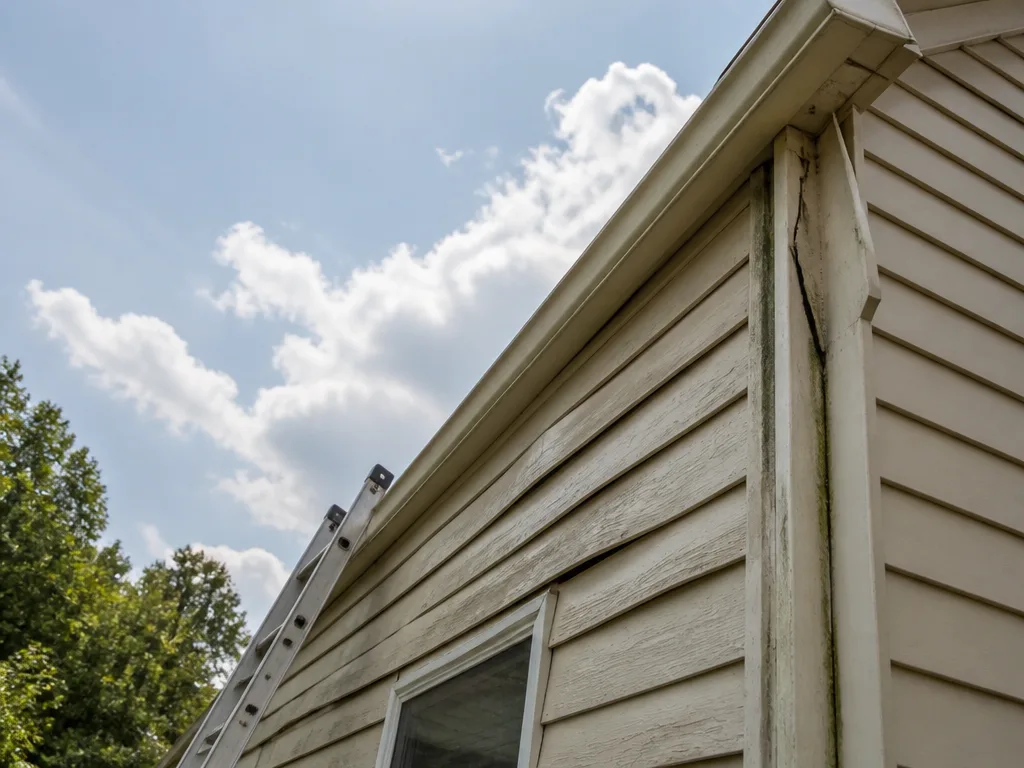
In Georgia, the first clues a siding specialist looks for often show up on the exterior walls near doors and windows. Look for paint or finish that bubbles, lifts, or peels, especially after a heavy rain or a hot Georgia afternoon. We see panels that look wavy or loose fittings where the siding edges meet, which can point to framing movement or fastener issues. These signs don’t improve on their own and can let moisture sneak behind the siding if left unchecked.
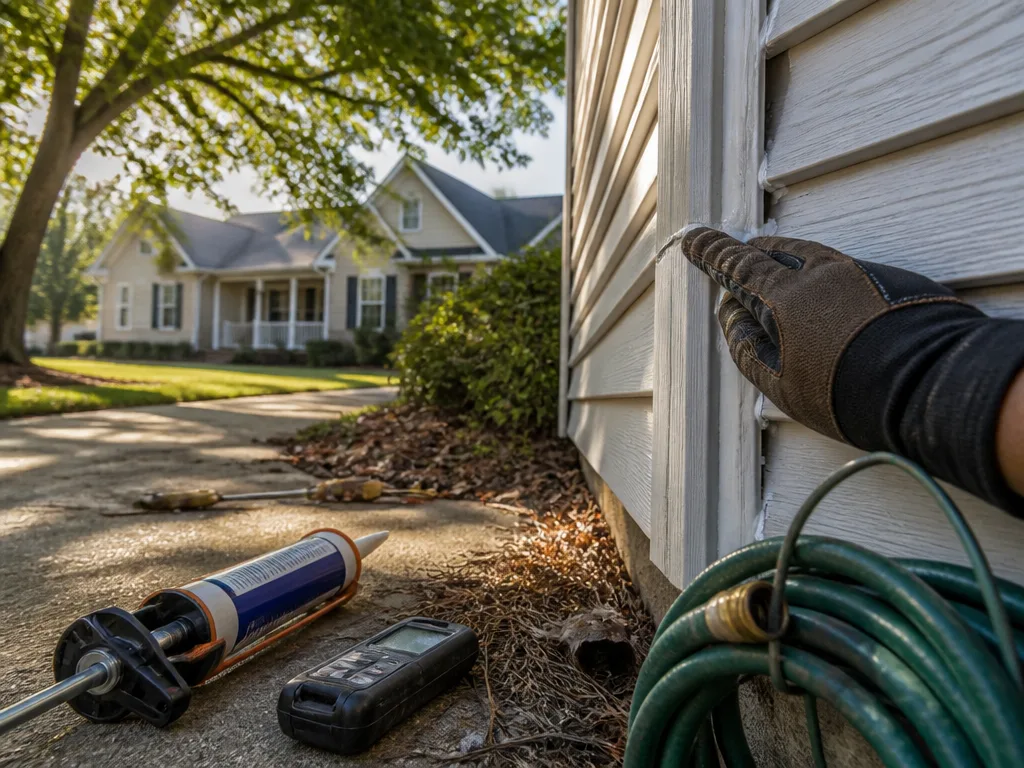
Missed caulking around trim or corners is another red flag. When sealants crack or shrink, water can bypass the protective layer and lead to water intrusion in Georgia’s humid climate. If you notice white, powdery deposits on the surface or dark spots that won’t scrub away, that can indicate mineral deposits or mildew growth, both of which signal moisture behind the siding. A siding specialist from Georgia EIFS Repair can confirm whether moisture has penetrated the wall system.
Where moisture hides and why it matters
Moisture behind siding is more than an aesthetic issue. In Georgia, humidity and seasonal rains can drive rot, warping, and insulation gaps. Look for soft spots when you press on panels, or boards that feel uneven under your hand. Soft spots may indicate compromised sheathing or framing. If you can see fasteners backing out or missing, the wind in Georgia’s storms can loosen panels and create openings for water and pests.
Wind-driven debris can also ding siding and create microcracks. A simple inspection from ground level won’t catch everything, especially on multi-story homes. A siding specialist will know where to check for hidden damage and will use proper safety measures to inspect safely across Georgia’s varied terrain.
What to do if you see signs
Document the issue with photos and note where you found it. Call a siding specialist to perform a professional assessment. In Georgia, a statewide crew can schedule an inspection across the state with minimal disruption to your routine. Early intervention helps prevent moisture from spreading and keeps the overall cost lower than waiting until a full siding replacement is needed.
What to expect during the assessment
Expect a careful exterior inspection, including fasteners, flashing, sealants, and any underlying sheathing. If moisture is found, the specialist will outline options to address the problem, from minor repairs to more extensive work that restores the wall system’s integrity. Georgia EIFS Repair focuses on practical fixes that fit homeowners across Georgia, not hype or surprises.
- Check for loose or missing fasteners
- Inspect caulking and flashing around openings
- Evaluate moisture indicators on interior walls if accessible